
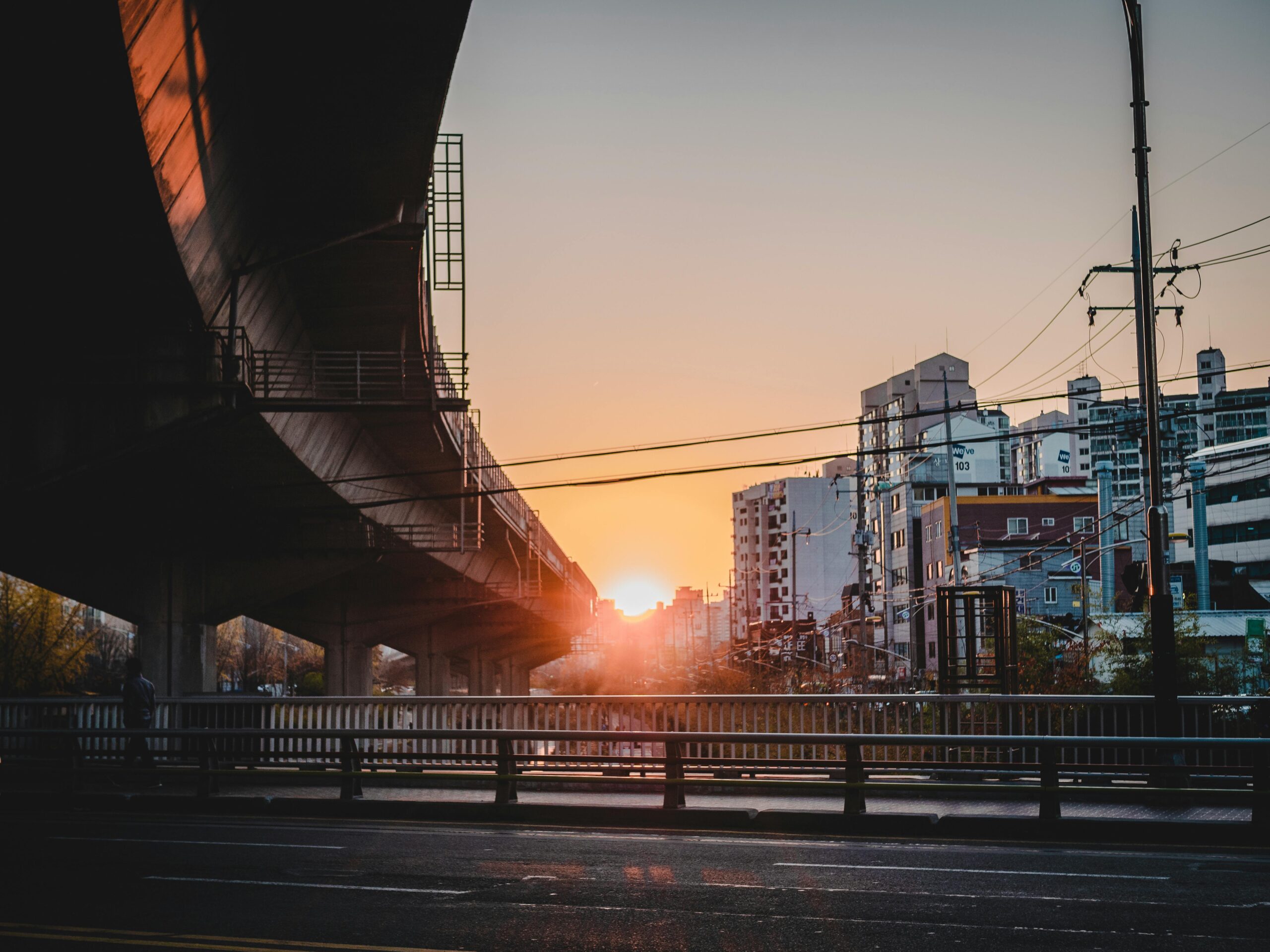
There’s always something different at the start of a new day; the air shifts and time resets. The stubborn illusion of change replays the same tune with a slight difference in the arrangement onstage.
I got the good, isolated guarding point – the north-eastern corner of the complex, next to the intersection on the inner side of the block.
Now, at three, the city is still. Hidden, cool breezes come out of their hiding like nocturnal animals. They aren’t carrying the smoke of cars or food; they aren’t carrying the sounds of engines or people. It is air in its purest form – cold and empty. It is Beirut without its ugly mask. The loudest presence here is the neon lights above the closed garages, blaring the names of their shops, turning off to take a slight breath only to shout their light out onto the empty, unlit street again.
I can feel myself breathing, slowly waking up, being molded and birthed for this day. From now until slightly before dawn, I’ll be a human being. Once the city starts waking up and movement resumes, I’ll become a face.
No, not a human being. I’m still a tool, even at my best times; when I feel myself, I am still a tool in use. Maybe it’s because nobody is watching that I feel like a person. No, there is someone watching: the red glare of the security camera above is always on. There’s someone on the other side, maybe watching, maybe not. But it’s the gaze that matters, the Foucauldian dystopia. The gaze is gazing upon me. Like a quantum particle, I change from one state to another under observation.
Why do they need a guard here if there’s a camera? Why can’t I just be inside, on standby? Sitting, not having to carry an old, heavy gun with old, heavy, and mostly useless equipment — the leftovers of first–world countries thrown at us as some sort of joke. I don’t think anyone has used this M4 since the 1990s. If I ever had to use this piece of antique, I doubt it would fire. It’s just here to complete the look. It doesn’t matter if you’re a functioning country; it only matters to look like one.
The real guns and equipment are mostly poured into the departments involved in riot suppression and monitoring people. This goes to show what the government’s real concerns are. You go to a precinct to report a stolen vehicle, and you’ll find an overweight, apathetic policeman taking your statement, then throwing the paper where the sun doesn’t shine. On the other hand, if you have a few people protesting, with nothing but their thin clothes on their bodies, barely getting by, you’ll see an army of riot police adorned in expensive equipment, backed by water cannons, unleashed on them. After all, they are being disrespectful to the state; they are causing civil unrest by showing their empty stomachs. The state always provides, whether it is or isn’t.
Other than the perennial red dots, I’m gazed upon by other eyes. Beaten eyes, tired eyes. Ones that look to a better future and see me standing in the way — me. I don’t even serve in the riot police; I just guard their compound. Even if I did, it’s not like I have much of a choice. When your options are either a meager, unstable income with practically no benefits, or a stable, meager income with free hospitalization and a scanty pension, you tend to choose the latter. The only reason why most of the protesters are on the other side is because they didn’t get the chance to get in.
Now, I’m a face.
When it’s just me, I’m a person. I know my story, my life. I’m familiar with myself. When a gaze from the outside breaches the bubble of my isolated experience and puts me, against my will, in the grand scheme of reality, I become a role. I am the one standing between you and everything you wanted. I am your enemy. And from far away, the gaze of the red dots looks on peacefully.
I should try and get used to the taste of coffee; everyone brings along a disposable cup of it to keep them awake during the AM shift. I think I heard that orange juice can keep people up; maybe I should get that. Maybe the government should start treating us like humans who need sleep to function. It’s easy to just write “Intermittent six-hour shifts for two days” while you work nine to three in a nice office, then go home and have the rest of the day for yourself.
The only reason they give us two days off is to recharge, so the tool doesn’t overheat. That way it can come back to be used for another two days. I will finish this shift at nine and go home to sleep away my first day off, because I have barely gotten six hours of sleep in the past two days. On my second day off, I will run errands – maybe see some humans that I know, then try and get as much sleep as I can before my two days of work start again. I barely sleep here in the compound. I should try and sleep during the day — how do they manage to do it?
It’s 3:25. I could’ve sworn it would be four by now. I feel like this watch mocks me. It’s fine; only ten minutes, and it’s 3:35. Once an hour is past its halfway mark, it sort of gets easier to reach the next hour. Half an hour passes easily, just ten minutes after ten minutes after ten minutes. Ten minutes pass easily.
How do six hours take so long? They’re just ten minutes after ten minutes!
After the first hour passes, the hour before the hour of the halfway mark begins; halfway points work for entire shifts, too, not only individual hours. Then it is the hour before the halfway point, five, until, finally, I get to the six o’clock milestone. Six leads me to the hour before the final hour, and from there I start creeping into eight, and once I get to eight it gets much easier until it’s half past eight, the exception to the halfway mark rule. The last half hour drags along with the anticipation of leaving.
And once I leave, ten minutes will pass after ten minutes until I come back.
